Auto Restoration in Taneytown, MD
Some vehicles are worth more than their book value. A truck that has been in the family for decades, a car you always wanted and finally found, a project that has been sitting under a tarp waiting for its turn. MTG Restoration takes on restoration work in Taneytown, Maryland, bringing older vehicles back from years of wear, rust, and neglect.

Deciding What Kind of Restoration You Want
Before any wrench turns, the most useful thing to settle is the finish line. Restoration means different things to different owners, and the plan follows the answer.
Back on the Road
For many owners the goal is a vehicle that starts, stops, steers, and rides like it should, safe and dependable enough to drive regularly. Appearance matters less than solid structure and sound mechanical systems.
Closer to Original
Other projects aim to return the vehicle to how it left the factory, keeping as many original parts as possible and replacing worn ones with correct equivalents.
Original Look, Updated Underneath
A third approach keeps the classic appearance while upgrading the parts that do the work, such as the suspension, so the vehicle drives more like a modern one.
None of these is the right answer for everyone. What matters is choosing one early, because it affects which parts get repaired, which get replaced, and in what order.
Structure Before Shine
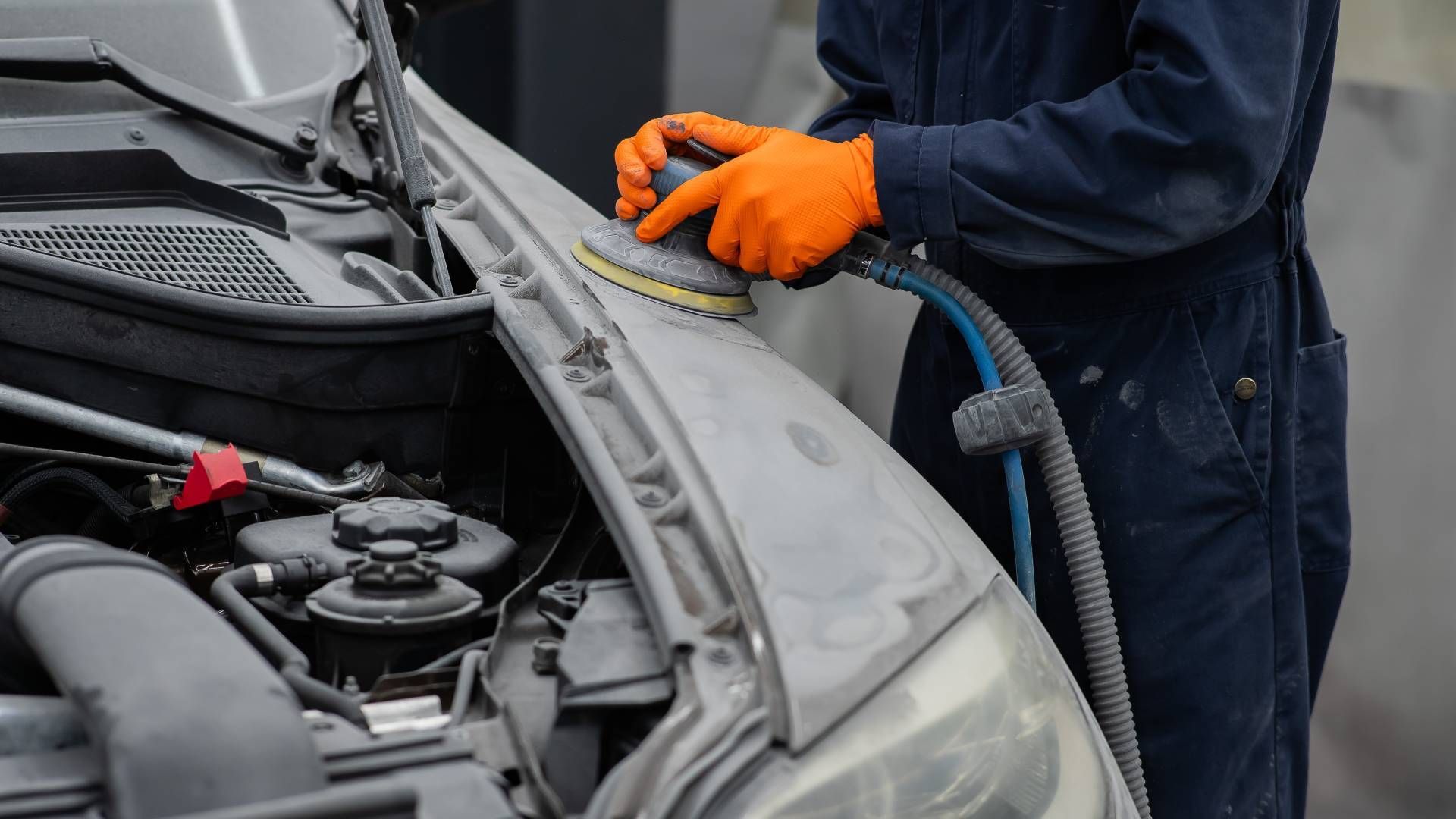
The order of work on a restoration matters as much as the work itself. A fresh coat of paint over a rusted frame only hides the problem until it comes through again. That is why the structural and mechanical work happens first. On a vehicle that has sat for years, that usually starts underneath. Rot in the frame rails, floor pans, and rocker panels has to be dealt with, and bent or weakened sections may call for the same work described on our frame repair and straightening page. Old springs, shocks, and bushings have usually given up by this point too, so the project often includes a full round of suspension work in Taneytown. Brakes, fluids, and rubber lines that have aged out get attention before the vehicle is driven any real distance.
Doing the foundation first means everything built on top of it has something solid to sit on.

Parts, Patience, and Planning
Older vehicles come with a practical challenge: finding parts. Some popular models are well supported with reproduction pieces. Others call for tracking down used originals or repairing what is already there. Part availability shapes both the plan and the pace of the project. Restoration is also slower than repair work by nature. Each stage tends to uncover something the last one could not show, especially once panels come off and metal that has been hidden for years is finally visible. Planning for that, rather than being surprised by it, keeps the project from stalling. Read more about the shop on the
MTG Restoration home page.
Auto Restoration FAQ
What is the difference between restoration and a restomod?
A restoration returns a vehicle to its original condition and specification. A restomod keeps the original look but adds modern parts, such as upgraded brakes, suspension, or a newer engine. A preservation project, sometimes called a survivor, keeps as much original material as possible and repairs rather than replaces.
What should I check before buying a vehicle to restore?
Start with rust in the frame rails, floor pans, rocker panels, and the lower edges of the doors and fenders, since structural rot is usually the most involved repair. Then check whether the title and the vehicle identification number match, and whether parts are available for that model.
What order does a restoration usually follow?
A common sequence is assessment and teardown, then structural repair of the frame and floors, then mechanical systems such as suspension, brakes, and the drivetrain, and finally cosmetic work. Cosmetic work goes last so it is not damaged by the heavier jobs before it.
Does a vehicle need to run before restoration can start?
No. Many projects begin with vehicles that have sat for years and no longer start. A non-running vehicle can be restored, though fuel, brake, and cooling systems that have been idle that long usually need full service before it is driven.
What should I bring when I ask about a restoration?
The year, make, and model, photos of the vehicle from all sides and underneath if possible, any history you know about it, and a clear idea of the goal: dependable driver, original condition, or updated underneath.